Latest News:
Breaking News
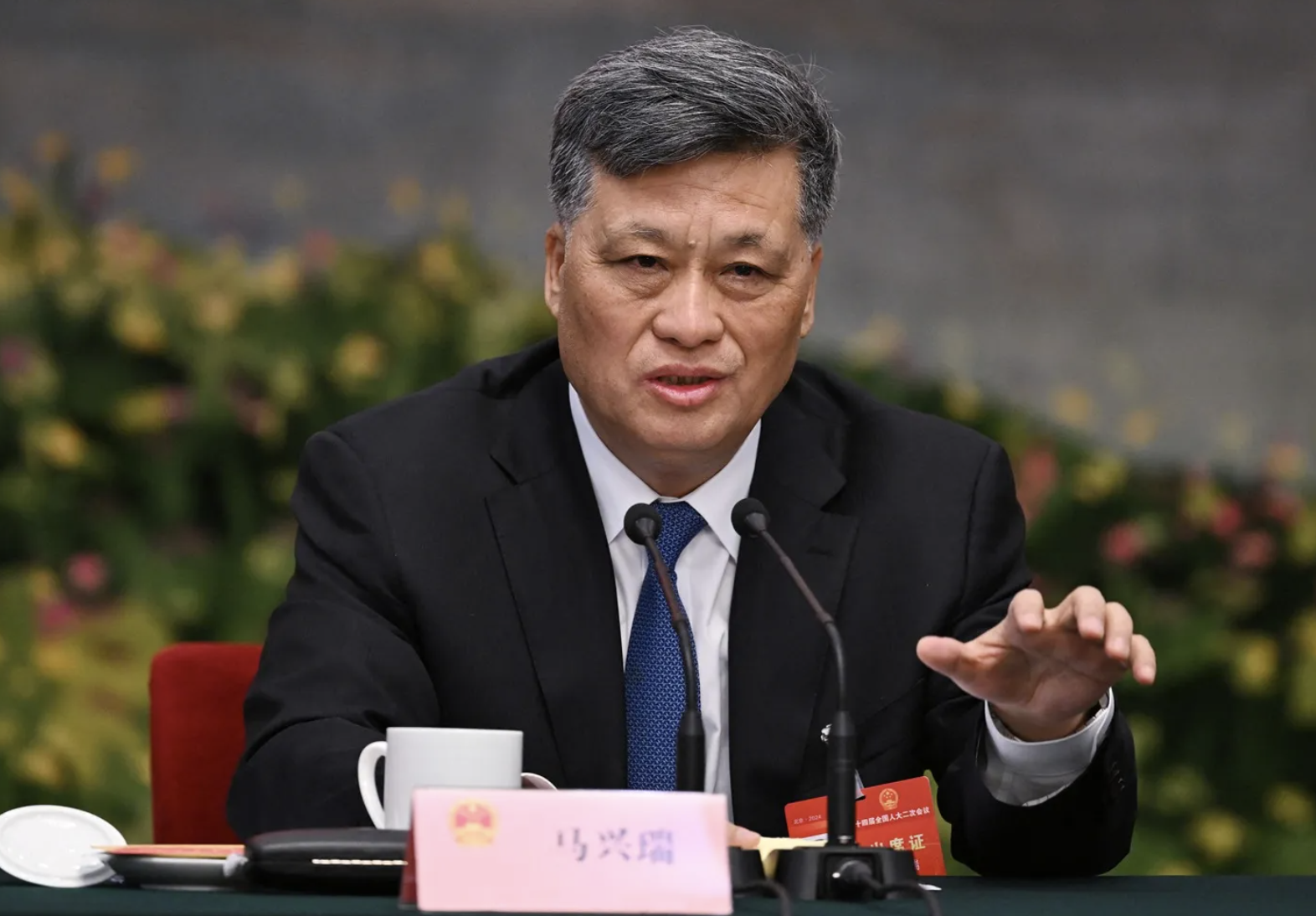
The investigation into Ma Xingrui is not just another corruption case. It is a warning to the Chinese elite that under Xi Jinping, proximity to power no longer guarantees security. Chinese authorities announced on April 3 that Ma, a sitting Politburo member and former Xinjiang party chief, was under investigation for “serious violations of discipline and law,” making him the third Politburo-level figure in roughly six months to be targeted in the latest wave of purges. Reuters also noted that Ma had not appeared publicly since October, after being quietly moved out of Xinjiang last July with no clear new post announced. What makes Ma’s fall especially significant is not merely his rank, but what it suggests about the changing logic of survival at the top of the Chinese Communist Party. For years, the assumption was that once an official had entered the uppermost political tier, the real danger had largely passed unless he openly challenged the leadership. That assumption is now breaking down. Reuters has described the recent removals of Ma, top general Zhang Youxia, and the expulsion of He Weidong as evidence that Xi is increasingly willing to remove even the most senior figures, including sitting Politburo members, despite the uncertainty such moves can create inside the system. The official explanation is corruption, but corruption in Xi’s China is rarely just about money. It is about control. Anti-graft language remains the regime’s preferred mechanism for disciplining elites, but the deeper issue is often political autonomy: who has built networks, who has cultivated influence, and who may have begun to imagine that access to power can be shared rather than flowing through Xi alone. In that sense, the Ma case appears less like a moral crusade than a reiteration of first principles. Loyalty must not merely exist; it must be vertically organized, personal, and exclusive. This is the deeper effect of Xi’s system. By making examples of senior insiders, he reinforces the idea that no one is protected by faction, past service, or institutional standing. Even those widely seen as part of his broader camp can be cut down if they are perceived to have accumulated too much independent weight. The result is a political order that may appear disciplined from the outside, but is increasingly brittle within. Officials become more fearful, less collegial, and more dependent on signaling direct obedience rather than exercising initiative or building workable collective leadership. There is a paradox here that defines modern authoritarian rule. Xi’s relentless tightening may strengthen his personal supremacy in the short term, but it also hollows out the elite’s capacity to govern as a coherent body. When every senior official knows that informal alliances can look like disloyalty and that even top rank offers no durable protection, politics becomes less stable, not more. Suspicion replaces coordination. Survival replaces judgment. The system grows quieter, but also more fragile. Ma Xingrui’s downfall therefore matters for reasons that go well beyond one man’s career. It shows that Xi is no longer merely purging rivals or cleaning up corruption in the conventional sense. He is redefining the rules of elite existence. In today’s China, the highest officials are not being told simply to serve the leader. They are being taught that they exist entirely at his pleasure, and that the distance between favor and ruin can be alarmingly short.
Putin power to send military for Russians held abroad
Iran’s War-Shattered Economy Means It Has an Urgent Reason to Negotiate
School Shooting in Southern Turkey Leaves Four Dead, 20 Injured
China shock 2.0: the countries feeling the ‘Chinese squeeze’
North Korea boosting ability to make nuclear weapons, IAEA chief says
Nepal, Bangladesh, Morocco, Madagascar: What have the Gen Z protests achieved?
Iran agrees to reopen Strait of Hormuz if attacks stop
North Korea’s Surprise Offering to the South: Presidential Flattery
Beijing’s Foreign Influence Tactics, Hidden in Plain Sight
Péter Magyar’s revolt: The insider challenging Hungary’s Viktor Orbán
Myanmar parliament to hold vote to elect president on Friday, house speaker says
Senegal president signs tough new anti-LGBT law doubling jail terms
Gulf states consider new pipelines to avoid Strait of Hormuz
‘Rapists and murderers’ in Russian army rampage while home from front
What Iran’s Control of the Strait of Hormuz Means for the Global Economy
Food assistance slashed for hundreds of thousands of Rohingya refugees trapped in Bangladesh camps
Serbian local elections: Is Vucic's party losing its grip?Iran vows to ‘set fire to souls’ of soldiers if US puts boots on ground
Continuing Conflicts
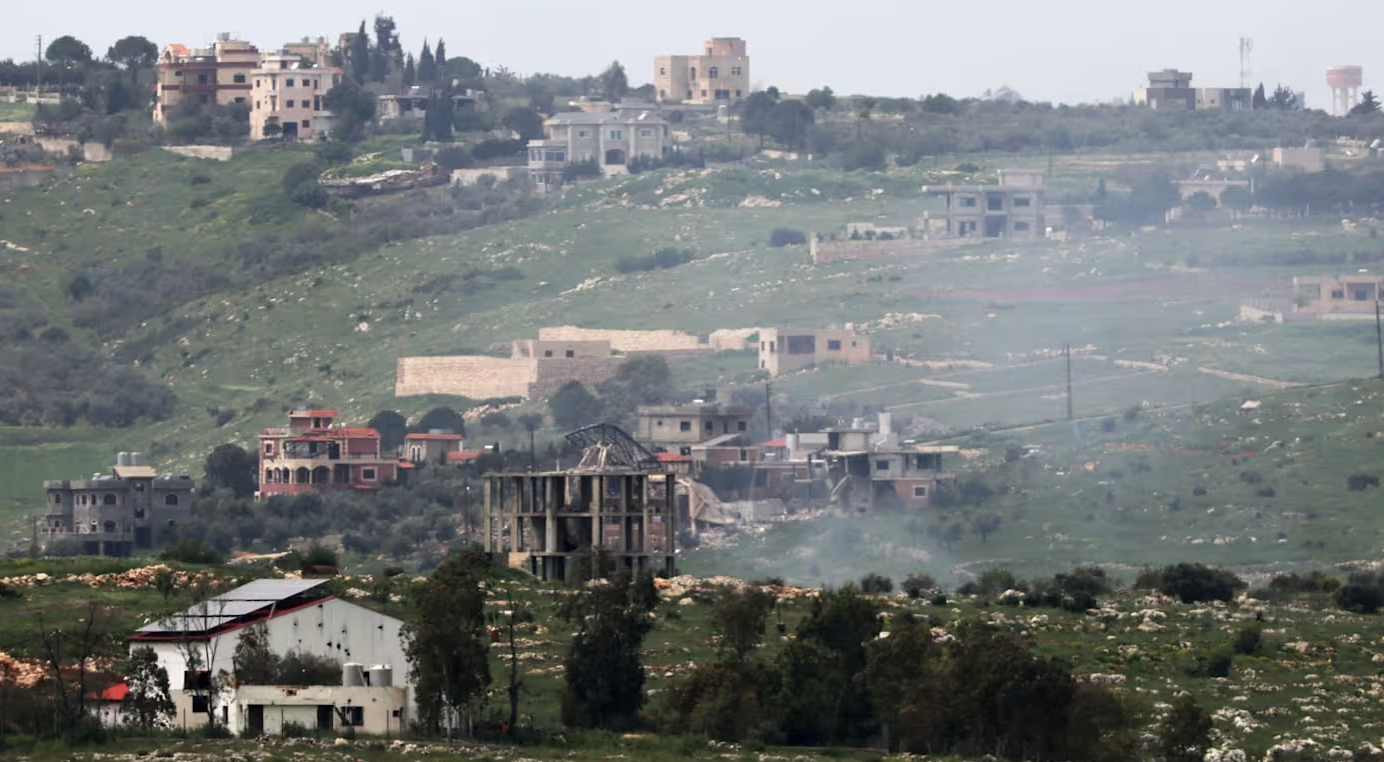
A ceasefire between Israel and Hezbollah may soon be announced, according to Lebanese officials, but the likely agreement reflects less a triumph of diplomacy than the familiar logic of wartime coercion: violence first, negotiations later, and only once strategic objectives have been at least partially secured. Reports suggest that a truce could take effect within days, possibly after Israeli ground forces complete their push into Bint Jbeil, a key town in southern Lebanon that Israeli Prime Minister Benjamin Netanyahu has described as a Hezbollah stronghold. If so, the ceasefire will not mark the prevention of catastrophe. It will mark an effort to freeze the conflict only after enormous destruction has already been inflicted.
Sudan’s Forgotten War Enters Its Fourth Year
Why Did China Buy Up the World’s Ports?
More than a dozen killed in Russian attacks on Kyiv, other Ukrainian cities
Iran used Chinese spy satellite to target US bases
'War on women and girls' : Sexual violence the 'blueprint and strategy' of Sudan's brutal civil war
The war in the Gulf could cause a global food shock
Cameroon 'military contractors' killed in Russia-Ukraine war - BBC confirms leaked message
Djibouti and the Horn of Africa: new front in the war on IranUkrainian drones frustrate Putin’s hope of oil and gas dominationTaiwan military says budget delay threatens $2.4 billion in weapons buying, training
Ukraine halts Russian advances across key sectors as Moscow prepares a new offensive. Meduza analyzes the latest battlefield developments.
Taiwan military says budget delay threatens $2.4 billion in weapons buying, training
Iran promises to set US troops on fire
Afghanistan accuses Pakistan of shelling outskirts of eastern city, killing and wounding civilians
Who is fighting in Myanmar’s multi-front civil war?Why It’s So Hard to Reopen the Strait of Hormuz
China’s Afghanistan-Pakistan Mediation Efforts Cast Doubt on Its Influence in Both Countries
The tipping point: How regimes really collapse
The first Russian officer to speak out in detail about the torture of Ukrainian POWs has now spent three years in the U.S. Here’s his story.
Europe
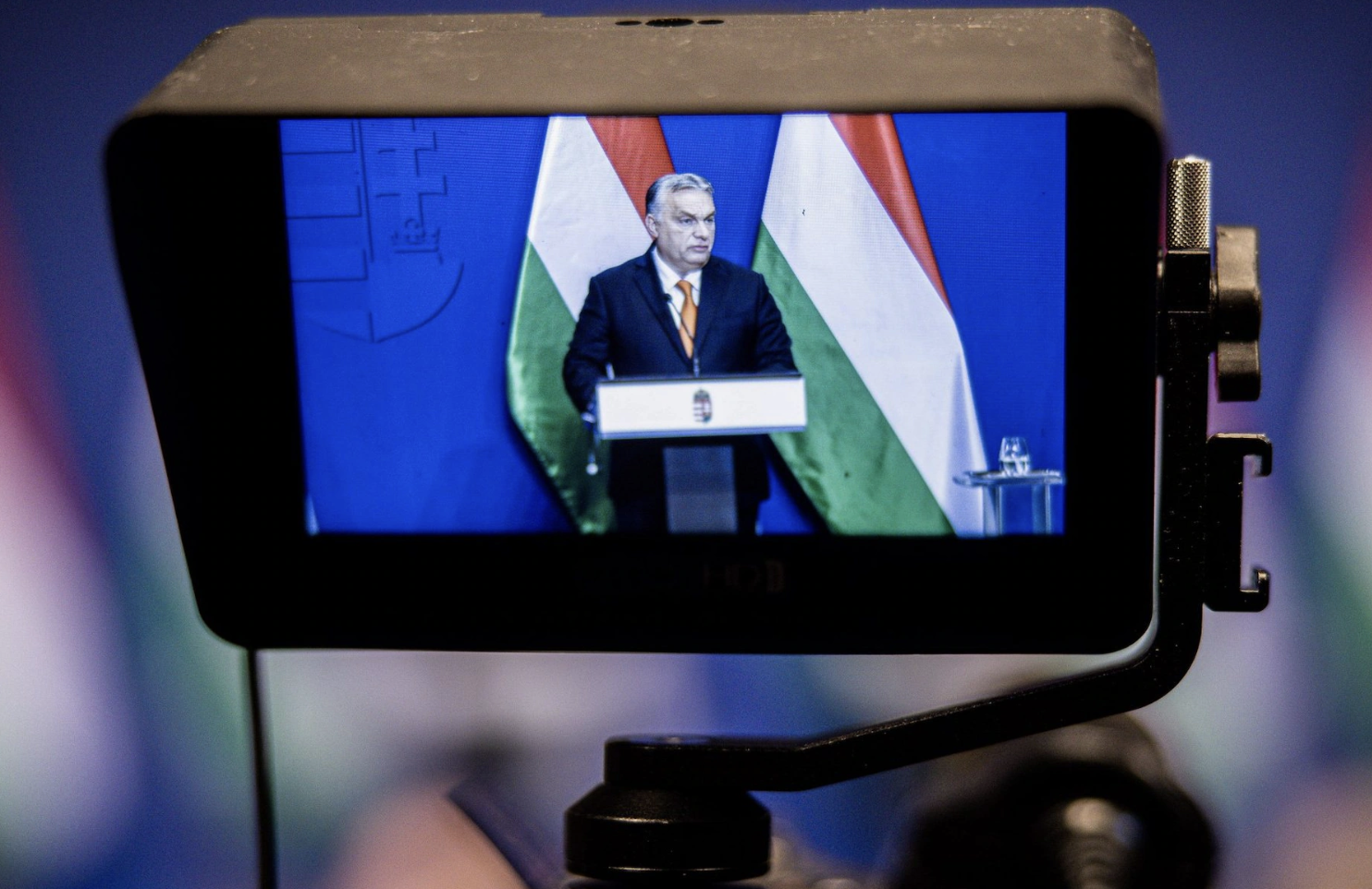
Péter Magyar’s pledge to suspend Hungary’s state news broadcasts is being cast by his critics as a purge. In truth, it is better understood as an admission of how badly Hungary’s public sphere has been deformed. After sixteen years of Viktor Orbán’s rule, the country’s so-called public media no longer resembles a neutral civic institution. It has functioned, by most serious accounts, as an extension of party power, amplifying government narratives, marginalizing dissent, and helping sustain the political machinery of Fidesz far beyond the ballot box. Reuters reported this week that after his landslide victory, Magyar said state news services would be suspended until their public-service character could be restored through new legislation and new media leadership. That matters because Orbán’s media system was never just about favorable coverage. It was one of the central pillars of his illiberal order. Reporters Without Borders warned before the election that Orbán had “nearly wiped out” independent journalism in Hungary, not through mass imprisonment or overt censorship alone, but through structural capture, financial pressure, and the progressive conversion of the media landscape into a tool of regime maintenance. What Magyar is confronting, then, is not simply partisan bias. It is an information system deliberately engineered to blur the boundary between state communication and political propaganda. This is why the proposed suspension is so politically explosive. In a healthy democracy, halting state news broadcasts would be alarming. In a system where those broadcasts have long ceased to be meaningfully public, the dilemma is more complicated. Magyar is effectively arguing that one cannot restore genuine public service media while leaving a captured apparatus running uninterrupted. The risk, of course, is that dismantling propaganda can itself be portrayed as partisan retaliation, especially when it is being undertaken by a government armed with a supermajority and sweeping constitutional power. Reuters noted that even supporters of reform acknowledge the process must remain consistent with European law and genuine press freedom protections. The broader significance lies in what comes next. Magyar has linked media reform to a larger attempt to unwind Orbán’s institutional legacy, including anti-corruption measures, judicial independence, and the recovery of billions in frozen EU funds. Ursula von der Leyen said “swift work” is needed on reforms tied to rule-of-law concerns, while Reuters reported that restoring media freedom is among the conditions for unlocking the money. In other words, the fight over state broadcasting is not symbolic theater. It sits at the center of Hungary’s attempt to prove that it is no longer governed through captured institutions masquerading as national ones. Still, there is an irony here that should not be ignored. Hungary is trying to emerge from a system in which one dominant political force colonized the state, and it is now relying on another dominant political force to reverse that colonization. AP reported that Magyar’s Tisza party won a two-thirds parliamentary majority, giving it the power to make sweeping constitutional and institutional changes. That may be necessary to dislodge Orbán-era loyalists, but it also means that Hungary’s democratic repair will depend heavily on whether the new government exercises restraint where the old one did not. What Orbán built was not merely a conservative government, but a system designed to make alternation of power feel abnormal and truth itself contingent on political loyalty. If Hungary is now beginning to dismantle that architecture, the task is both urgent and perilous. A propaganda machine may indeed be in its final days. But Hungary’s real test will be whether it can replace it with institutions that belong to the public rather than merely to the next victors.
Orban’s Defeat Leaves Bosnia’s Dodik Without His Strongest EU Ally
Russian court to hear case on Daghestan terror plot
UK Pledges 120,000 Drones for Ukraine Calling It Priority
How Voice of America ‘Opened a Window’ in Isolated, Communist Albania
Russian court designates Chechen Republic of Ichkeria a ‘terrorist organization,’ bans its units across Europe
Georgian government’s educational reform sparks concern about politicization of academia
Putin’s Internet Blackout: A Chaotic Drive to Cut Off Russians From the World
Iranian ambassador’s ‘threats’ spark backlash in Georgia
KamAZ may cut its workweek to 4 days again as Russian truck sales fall and Chinese surplus weighs on market
Belgrade University Police Raid Triggers Protests and Clashes
The journalist sentenced to four years for investigating Russian espionage: ‘They are trying to silence me, but I will continue working’
Putin facing another war closer to home
France suspects Iranian proxies over foiled Paris ‘terror attack’
How Russia’s school history lessons are reframing Stalin, Gorbachev, and the war in Ukraine
Rights Group Says Turkish Journalist’s Arrest Shows Govt ‘Fears Free Press’

Asia
The rise of Shakhmurat Mutalip is being narrated in some quarters as the story of a brilliant young entrepreneur ascending with the arrival of “New Kazakhstan.” A closer look suggests something far less reassuring. Mutalip, still largely unknown to the broader public, has in a remarkably short period emerged at the center of rail, construction, energy, and now mining deals worth billions of dollars. His reported bids for a major stake in Eurasian Resources Group and Glencore’s majority holding in Kazzinc would place him astride some of Kazakhstan’s most strategically significant mineral assets, from ferrochrome and copper to zinc and gold. Reuters, citing the Financial Times, reported in March that Glencore was prepared to support Mutalip’s $1.4 billion bid for a 40 percent stake in ERG with an $800 million prepayment tied to future ferrochrome deliveries, while the same reporting said he was also in talks over Glencore’s 70 percent stake in Kazzinc, a transaction valued at roughly $3.5 billion. What makes this so striking is not only the scale of the ambition, but the opacity of the ascent. The Diplomat’s investigation portrays Mutalip less as a conventional tycoon than as the visible face of a network that appears to have moved with extraordinary speed through state contracts, politically sensitive sectors, and corporate structures of unusual convenience. Its reporting raises serious questions about how he acquired Integra Construction KZ, the company that became the platform for his expansion, including whether the transaction reflected anything like ordinary market logic. In a system where proximity to state infrastructure and elite blessing often matters more than entrepreneurial genius, sudden enrichment on this scale rarely looks accidental. That is why the most important question is not whether Mutalip is talented, connected, or personally ambitious. It is what his emergence says about power in Kazakhstan. The old Nazarbayev-era oligarchic order was supposed to be giving way to something cleaner, more accountable, and more meritocratic under Kassym-Jomart Tokayev’s “New Kazakhstan.” Yet the pattern here looks disturbingly familiar. A little-known figure rises rapidly through sectors dependent on state favor. Ownership structures appear murky. Old networks seem to persist beneath new branding. Strategic assets begin to consolidate around a man few citizens ever chose, debated, or even knew. This is not what economic renewal looks like in a genuinely transparent system. It is what elite succession looks like when the method changes less than the cast. The geopolitical implications are substantial. Kazakhstan is not merely distributing domestic spoils. It sits at the center of transport corridors linking China, Russia, the Caspian, and Europe, while its mineral base has become increasingly important to Western supply-chain strategy. If one politically favored network is quietly consolidating power over rail infrastructure, energy projects, and critical minerals at the same time, then what is taking shape is not just a fortune, but a new command post within Eurasian political economy. The concern for outside observers should not simply be whether Mutalip can finance these transactions. It should be whether Kazakhstan’s economy is once again being reordered through elite choreography rather than open competition. Ultimately, Mutalip’s story matters because it captures the central deception of many post-authoritarian transitions. Regimes promise renewal, but too often what follows is not the dismantling of patronage capitalism, only its redistribution. New faces appear, new slogans are coined, and old monopolies are repackaged as reform. If Shakhmurat Mutalip is indeed becoming Kazakhstan’s new chosen one, then the country is not escaping the logic of oligarchic statecraft. It is simply selecting its next beneficiary.
Prabowo’s Russian Roulette
Thailand Mulls Public Debt Ceiling Hike in Face of Energy Shock
Vietnam Communist Party Chief To Lam Appointed as State President
‘We’re new miyas’: Will BJP naming some Assamese Muslims ‘Indigenous’ work?
Afghans Fear for Safety as War Returns
The Kyrgyzneftegaz Case: Shairbek Tashiev Arrested
‘System malfunction’ causes robotaxis to stall in the middle of the road in China
‘Gerrymandering’ in India’s Assam cuts Muslim representation before vote
UN coalition calls for end to Taliban policy blocking women from UN premises
North Korea tests high-thrust engine for missile capable of striking US mainland
Nepal arrests former prime minister and others related to Gen Z protest deaths
Femicide Without Borders: Uzbek Women Abroad Still at Risk
Taliban Releases American Dennis Coyle After More Than a Year of Detention
Speed seems relative for Turkmenistan and Afghanistan in TAPI pipeline construction
Kazakhstan approves new constitution in referendum, exit polls say
Bangladesh Lifts Fuel Curbs Ahead of Nation’s Biggest Festival
Africa
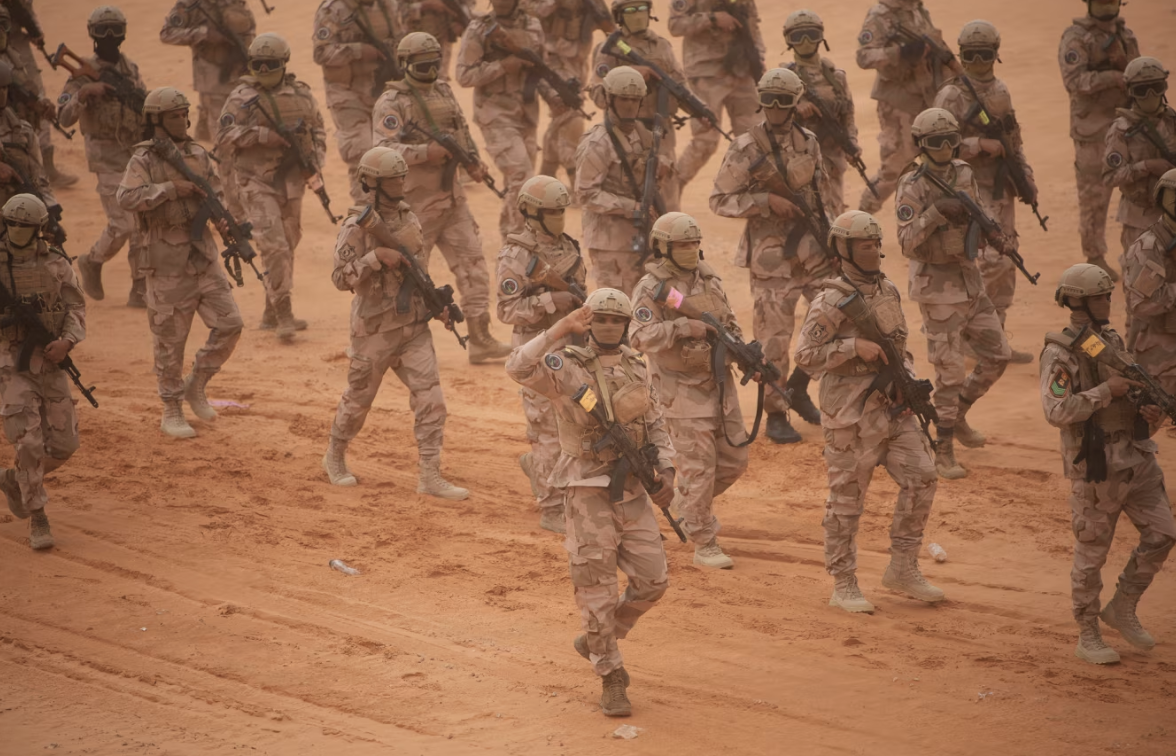
The latest U.S. effort to bring Libya’s rival armed camps into joint military exercises is being presented as a breakthrough in stabilization. It may well be that, but it is also something more strategic and less altruistic. Reuters reported that forces aligned with the Tripoli-based Government of National Unity and Khalifa Haftar’s eastern Libyan National Army took part this week in the first joint U.S.-led special operations exercises in Sirte under AFRICOM’s Flintlock program. The Wall Street Journal described the initiative as part of a broader American push to reduce Russian influence in Libya and redirect the country toward a more Western-aligned future. That context matters because Libya is not simply being “reunified” for its own sake. It is being courted as a strategic hinge: a country with Africa’s largest proven oil reserves, a gateway into the Sahel, and a potential chokepoint for Russian military logistics into sub-Saharan Africa. The Wall Street Journal reported that U.S. officials see a more coherent Libyan state as a way to squeeze Russia out of its biggest African launchpad, while also opening the door to greater Western access to Libya’s energy and mineral wealth. This is therefore not just a peace initiative. It is a geopolitical contest over infrastructure, resources, and influence dressed in the language of stabilization. There is, of course, a real security logic behind the effort. Reuters noted that the exercises included both major Libyan camps and were framed by participants as a step toward building a more unified security architecture. The Journal added that a joint command structure is being encouraged through the promise of U.N. arms-embargo exemptions if the factions cooperate. In practical terms, Washington is trying to replace the fragmented warlord logic of post-2011 Libya with a security arrangement that is at least interoperable, if not fully unified. But the fact that such trust-building must be induced through outside pressure and incentives is itself a reminder of how little sovereign cohesion Libya has enjoyed for most of the last decade and a half. The Russia angle also reveals how opportunistic this moment is. According to the Journal, Haftar’s camp grew more wary of Moscow after Wagner’s mutiny in Russia and the broader instability surrounding the Kremlin’s expeditionary model after the war in Ukraine. Washington appears to have identified that unease as an opening. If Libya’s eastern faction can be nudged away from dependence on Russian mercenaries, arms, and logistical support, then one of Moscow’s most valuable footholds in Africa begins to weaken. In other words, reconciliation among Libyan rivals is not being pursued only because peace is desirable. It is being pursued because the balance of external leverage may finally have shifted. The economic dimension is equally revealing. The Journal reported renewed interest from U.S. energy companies, including Chevron’s first Libya deal in February and Exxon Mobil’s agreement last year to re-enter the country. Libya’s oil output has already climbed to its highest level in more than a decade, according to the same report. Once again, the lesson is hard to miss: peace becomes especially attractive to outside powers when it promises commercial access, critical minerals, and transport advantage. Libya’s suffering alone did not produce this level of urgency. Strategic opportunity did. /
DR Congo tightens control over critical minerals with strategic reserves
Tunisian lawmaker's remarks on rape and migrants spark outrage
Zimbabwe’s bizarre economic boom
Sudan's forgotten war: three years on, humanitarian catastrophe has no end in sight
Uganda in shock after 4 children killed in kindergarten attack
Nigeria begins mass trial of 500 terrorism suspects
‘Our geography is our oil’: Why Djibouti hosts many foreign military bases
People of Burkina Faso should forget about democracy, says military ruler
South African army arrive in crime hotspots to help tackle gangs
The ‘Narco-Architect’ who designed tunnels to bring hashish from Morocco into Spain
Chinese $900 million poultry deal faces setback in Nigeria as farmers push back
Zimbabwe’s gold trade hit by global tensions and soaring shipping costs
UN official warns Security Council of DR Congo crisis amid ongoing violence
Rebels in Congo used containers to hold journalists in brutal conditions, advocacy group says
Tensions rise on Chad–Sudan border after deadly drone strike
Madagascar anti-corruption chief appointed as new PM
Could Nigeria become an alternative oil supplier to the Middle East?
Human traffickers are using football dreams to lure young Ghanaian men to Nigeria – how to stop it?
'We will go wherever they hide': Rooting out IS in Somalia
Middle East
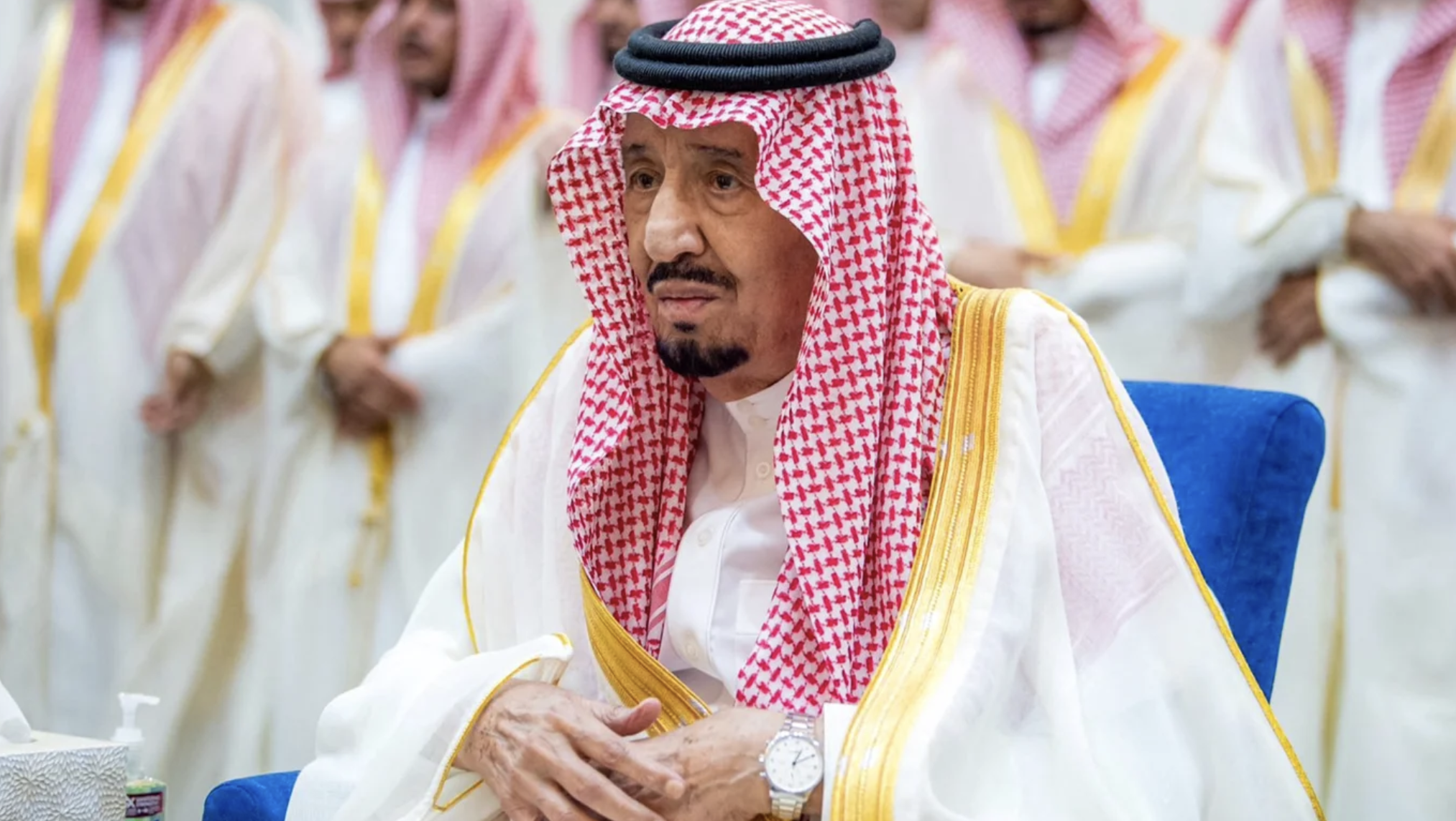
Saudi Arabia’s crossing of 2,000 executions since King Salman took power is not merely a grim statistic. It is a devastating indictment of the kingdom’s carefully marketed image of reform, modernization, and controlled liberalization. Reprieve and Human Rights Watch have both documented the scale of the acceleration: Saudi authorities executed at least 356 people in 2025, after 345 in 2024, making the last two years the deadliest in the modern era of Saudi executions. That stands in stark contrast to the far lower annual averages before Salman’s accession in 2015. What this milestone makes impossible to ignore is that the Saudi state has not simply preserved the death penalty while reforming elsewhere. It has expanded its use dramatically, even as Crown Prince Mohammed bin Salman has sought to portray himself abroad as a modernizer. Human Rights Watch noted that 2025 set a new national record, while Reprieve found that drug convictions and the execution of foreign nationals were major drivers of the spike. Far from narrowing the scope of capital punishment, Riyadh has widened it in practice, using it against categories of defendants and offenses that make its promises of restraint look increasingly hollow. The kingdom’s use of the death penalty for drug-related offenses is especially revealing. In March, Reuters reported that a U.N. body condemned Saudi executions of Egyptians on drug charges as “inexcusable” and called on Riyadh to provide reparations and change its laws, underscoring that these cases do not meet the international standard limiting capital punishment to the “most serious crimes,” generally understood to mean intentional killing. This matters because Saudi Arabia had briefly paused executions for drug offenses, only to resume them, signaling that any prior restraint was tactical rather than principled. Even more damning is the continued execution of people convicted for acts committed as minors. Amnesty and Human Rights Watch both documented cases in 2025 in which Saudi Arabia executed men for alleged offenses committed when they were under 18, despite earlier official pledges to end such practices. That is not just hypocrisy. It is a direct repudiation of the kingdom’s own reformist claims and of international legal norms that Saudi Arabia has formally accepted. The political dimension is equally hard to miss. The execution earlier this month of Saud al-Faraj, reportedly linked to participation in protests in Qatif during the 2011 Arab uprisings, points to the enduring use of capital punishment not simply as criminal sanction but as a tool of state intimidation. In Saudi Arabia, “terrorism” remains elastic enough to absorb dissent, minority unrest, and opposition activity, especially in the Shia-majority east. When protest, coerced confessions, and political charges converge in a system with minimal transparency, executions cease to look like justice and begin to look like sovereign violence in its purest form. This is the deeper truth behind the kingdom’s transformation campaign. The skyscrapers, sporting spectacles, investment summits, and social liberalization measures have never signaled a retreat from authoritarianism. They have signaled its modernization. Saudi Arabia is not becoming less repressive. It is becoming more sophisticated in how it distributes repression, packaging selective openness for foreign consumption while intensifying coercion where power feels vulnerable. The death penalty, in that sense, remains one of the clearest windows into the regime’s real character. It is the instrument that strips away the public-relations veneer and reveals a state still governed by fear, hierarchy, and exemplary punishment. Two thousand executions since 2015 should therefore not be read as an unfortunate blemish on an otherwise reforming system. They are evidence of what that system actually is. A government confident in genuine legitimacy does not need to kill at this scale while claiming to be modern. Saudi Arabia’s execution record shows that its celebrated transformation has not displaced despotism. It has simply taught it how to dress better.
Mission impossible: UN force trying to keep the peace in Lebanon
Cheap Drones Complicate the Gulf’s AI Boom
Saudi wealth fund resets priorities after decade of heavy spending
The last ‘butterflies’ of the Kurdish front
Saudi Arabia’s key east-west oil pipeline hit as Middle East energy attacks continue
With or without Mojtaba Khamenei, what will the Iranian regime become?
Iraq’s Pro-Iran Groups Aren’t Going Anywhere
Saudi Arabia executes prominent businessman over participation in 2011 Qatif protests
US journalist kidnapped in Baghdad by suspected Iranian-backed armed group
Iran launches recruitment drive after US invasion threats
Syrian President al-Sharaa on Iran war: ‘Syria will remain outside this conflict’
Egypt imposes emergency measures to save fuel
Five Britons in UAE jails for taking pictures of war
Syria: Wives of missing men push for legal reform
Tehran's plan to monetize Strait of Hormuz
Rare Middle East storm could bring floods, damaging winds and tornadoes
Americas
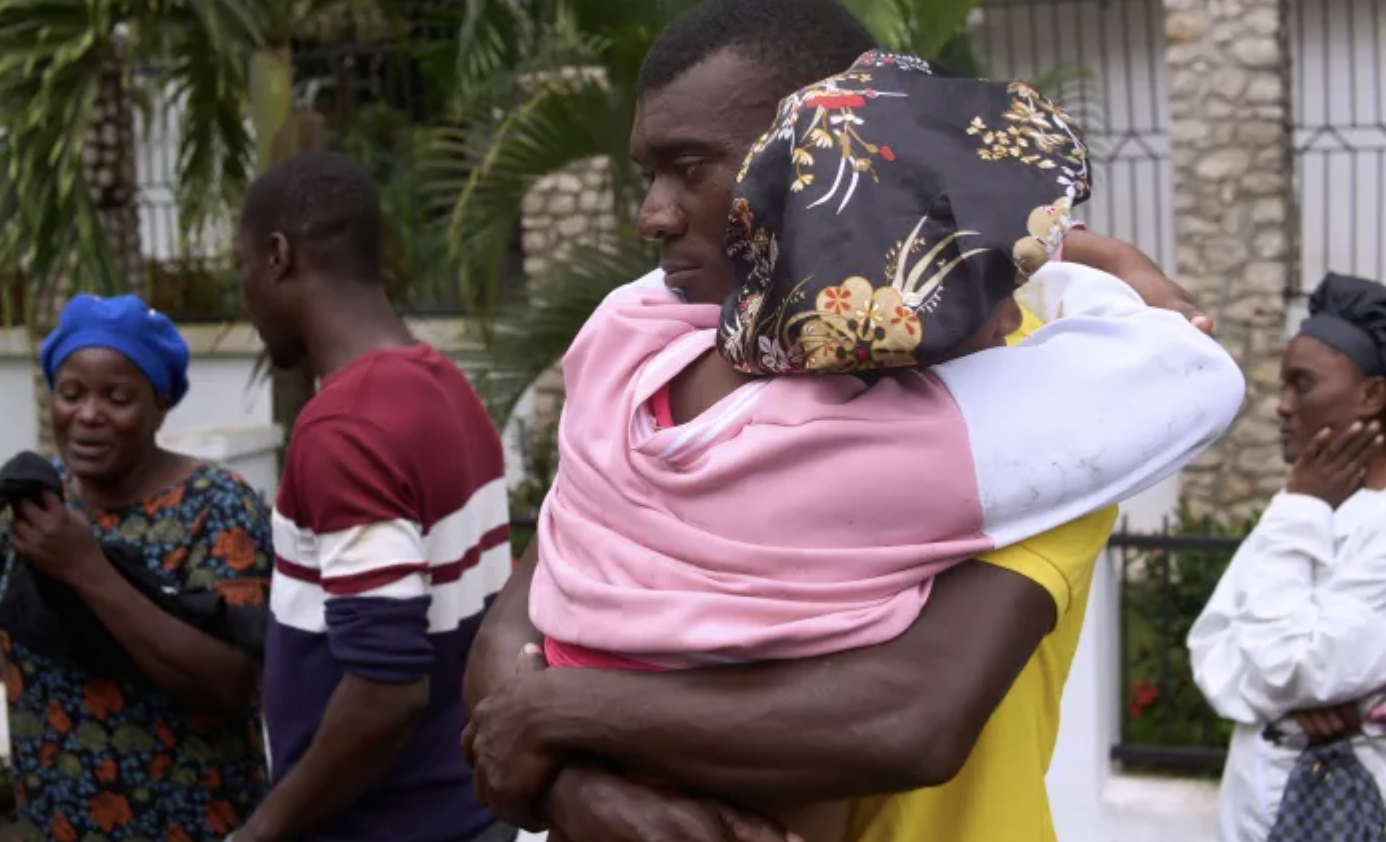
The deadly stampede at the Citadelle Laferrière is more than a tragic accident. It is another devastating illustration of what happens when a state loses the capacity to manage even the most basic conditions of public safety. Twenty-five people were killed at one of Haiti’s most important historic sites, a fortress that stands as a symbol of Black liberation and national sovereignty, after a crush formed amid confusion, poor crowd control, and what officials themselves have now acknowledged was administrative negligence. Haiti’s Culture Ministry has since dismissed two officials, while at least nine people, including police officers and heritage employees, have been arrested as the investigation unfolds. What makes the disaster especially bitter is the setting. The Citadelle is not just a tourist attraction. It is one of the most potent symbols of Haiti’s revolutionary past, a monument built in the aftermath of the only successful slave revolt in modern history. That such a place became the scene of panic, death, and official disorder is emblematic of Haiti’s wider condition. The country’s symbols of sovereignty remain intact, but the institutions meant to protect life beneath them are increasingly threadbare. Reuters reported that Haiti responded by declaring three days of national mourning and promising that the government would cover funeral costs, but those gestures, while necessary, cannot obscure the deeper pattern of state incapacity now visible across nearly every domain of public life. This is what makes the tragedy more than an isolated lapse. Haiti is approaching elections while simultaneously struggling under overlapping emergencies: gang warfare, mass displacement, weak policing, infrastructural decay, and repeated governance vacuums since the assassination of Jovenel Moïse in 2021. Reuters and Al Jazeera both note that the country is also contending with deadly flooding and renewed gang violence even as a new U.N.-backed Gang Suppression Force begins to deploy. In that context, the stampede looks less like a freak disaster than like another symptom of a state so overstretched and fragile that failure now spills from the political center into heritage management, weather response, and everyday civilian protection alike. There is a cruel irony in all of this. The Citadelle was built to defend a hard-won freedom against foreign domination. Today, Haiti’s danger comes less from invading armies than from institutional collapse, negligence, and the slow abandonment of the public sphere. The government may punish a handful of officials, and some of those arrests may be justified. But this catastrophe was not created by a few errant individuals alone. It emerged from a broader national condition in which the state increasingly arrives late, governs weakly, and asks symbols of past strength to compensate for present disorder.
Peru’s Sanchez to face Fujimori in runoff as rival signals protests over fraud
Venezuela: President Rodriguez's first 100 days in power
Panama asks China for respect after ship detentions tied to ports ruling
Cuba’s medical missions accused of ‘modern slavery’
Iran using covert network to rebuild drone army
The Investors Moving Early Into Venezuela Are Bullish and Ready for Risk
First troops from UN-backed Gang Suppression Force arrive in Haiti
19 Cubans on What It’s Like to Live Without Fuel
Missing sailboats carrying aid land in Cuba after being located by Mexican navy
Peru extends state of emergency in Lima and Callao for 30 days
Dozens of Colombian Troops Dead as Military Plane Crashes
A Cuban mother’s odyssey against leukemia: ‘Is there blood for my son in this hospital?’
Here's Why Cuba Remains Russia’s Foothold on Washington’s Doorstep
Ecuador fishermen disappear amid rising sea piracy
A blow to Caribbean democracy as Stabroek News and Newsday papers fold after social media shift
Cuba opens up to investments from Cubans living abroad
Chile begins construction of anti-migration trenches at Peru border
Cuba’s Medical Diplomacy Begins To Unravel As Jamaica And Guyana End Doctor Agreements
The hidden history of Afro-Bolivians: From slavery in silver mines to fighting for power
A new crime map for Mexico
Cuba’s collapse in the age of influencers: ‘Staying here should be a source of pride, not a sacrifice’
Bolivian authorities capture drug kingpin Sebastian Marset in police raid
Despot of the Week

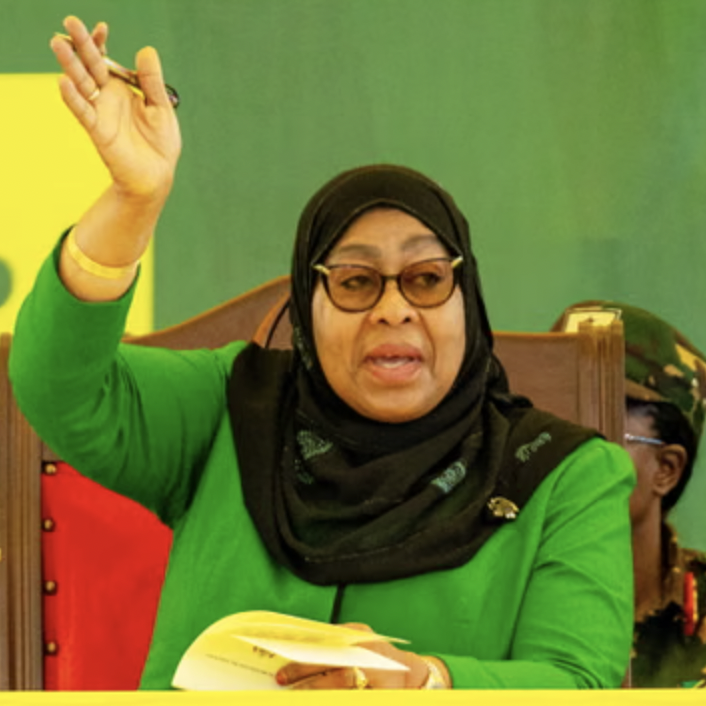
President Samia Suluhu Hassan
Accreditation:
Tanzania doesn't have an election but a crackdown disguised as democracy
Election protests erupt in Tanzania with opposition leaders jailed, disqualified
Tanzania election: Erosion of democracy will also come at the cost of economic potential
Recent Achievements:
The disappearances haunting Tanzania's election
Tanzania Opposition Leader Placed in Isolation Before Election
Maduro bolsters troop presence in Venezuela amid rising U.S. military pressure
Tanzania — from leader of Frontline States to a net exporter of authoritarianism
